


KMCAR T-cell therapy has entered its first human test as HaemaLogiX treated a participant in the Phase I KOALA trial for relapsed or refractory kappa‑restricted multiple myeloma. The dosing took place at the Peter MacCallum Cancer Centre in Australia.
The disease is a blood cancer marked by abnormal growth of plasma cells in bone marrow. Patients whose cancer no longer responds to standard options face limited alternatives, especially when they cannot receive existing CAR‑T products.
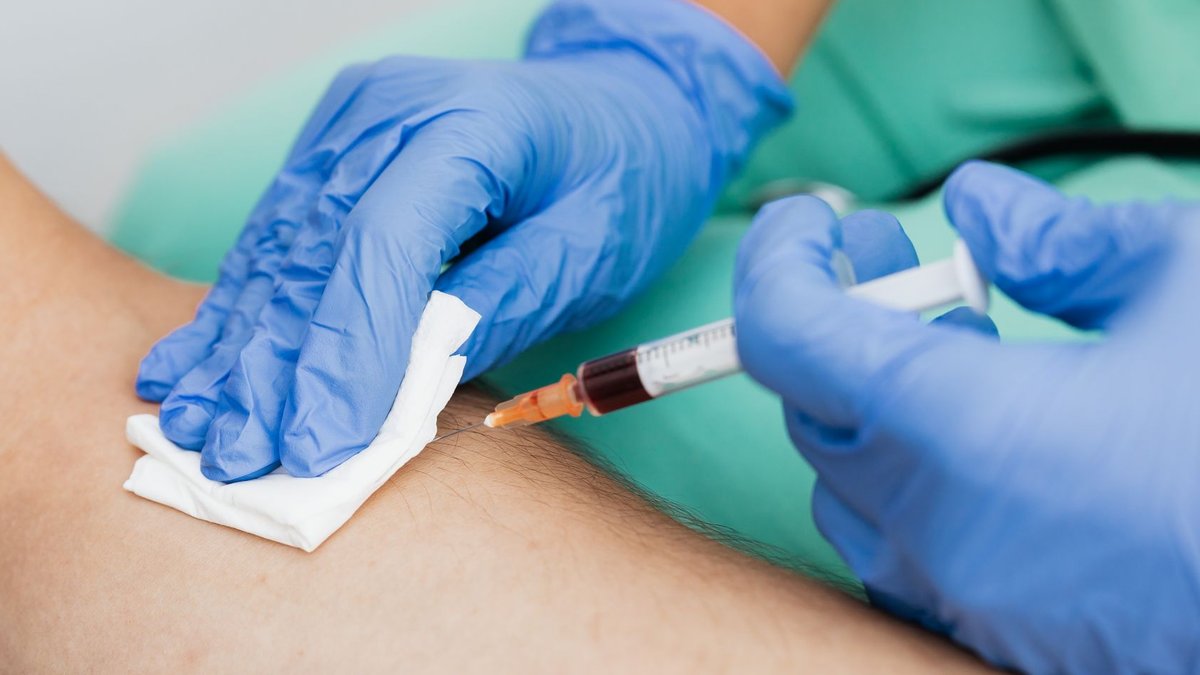
In the KOALA study, the company administered the engineered cells to a patient who had exhausted other treatments. The infusion was completed without any serious adverse events, and the participant tolerated the procedure well.
First patient receives experimental cell therapy
Observations recorded after the infusion showed only mild, transient side effects. No grade‑3 or higher toxicities were noted during the initial monitoring period. This early safety signal aligns with the trial’s primary objective to evaluate tolerability.
Related: Amgen Drug Shows Promise in Inflammatory Diseases
A second individual has now been enrolled and is slated to receive a higher cell dose. The escalation follows the protocol’s dose‑finding design, which aims to identify the optimal therapeutic window.
The treatment works by extracting the patient’s own immune cells, reprogramming them to recognize the Kappa Myeloma Antigen (KMA) that appears exclusively on malignant plasma cells, and then reinfusing the modified cells. By targeting KMA, the approach seeks to spare normal immune components.
Manufacture of the engineered product occurs at a facility run by Cell Therapies, which holds a Therapeutic Goods Administration‑licensed good manufacturing practice certification. The centre’s Centre of Excellence in Cellular Immunotherapy collaborates on the production and quality control processes.
Safety focus and unmet need
The trial’s enrollment criteria limit participation to patients who have failed standard regimens and are ineligible for other CAR‑T options. Researchers will monitor both safety outcomes and early indications of disease control.
“We are delighted with the encouraging results from the first safely treated patient, and very pleased to be moving forward to dosing the second patient at a higher dose of KMCAR T‑cell therapy,” the chief scientific officer said. “Multiple myeloma is the world’s second‑most common blood cancer, and there is a significant need for therapies that do not cause immunodeficiency, which may result in life‑threatening infections.”
Related: Why Is Medicaid Member Engagement Essential for Health
In practice, this could mean patients avoid the prolonged periods of immune suppression that accompany many current regimens, potentially reducing infection‑related hospital stays. If the therapy continues to show a clean safety profile, clinicians may have a new tool that fits into earlier lines of treatment, offering hope where options are scarce.
Current standards often involve agents that attack both cancerous and healthy immune cells, leading to heightened infection risk. By contrast, the engineered cells are designed to act only where the target antigen is present, preserving broader immune function.
Future dosing cohorts will explore a range of cell quantities to refine the balance between efficacy and tolerability. The trial’s investigators plan to publish interim data once a larger patient cohort has been treated.
As the study progresses, the company remains focused on collecting robust safety data before moving to later‑stage trials that could assess broader efficacy across diverse patient populations.


