


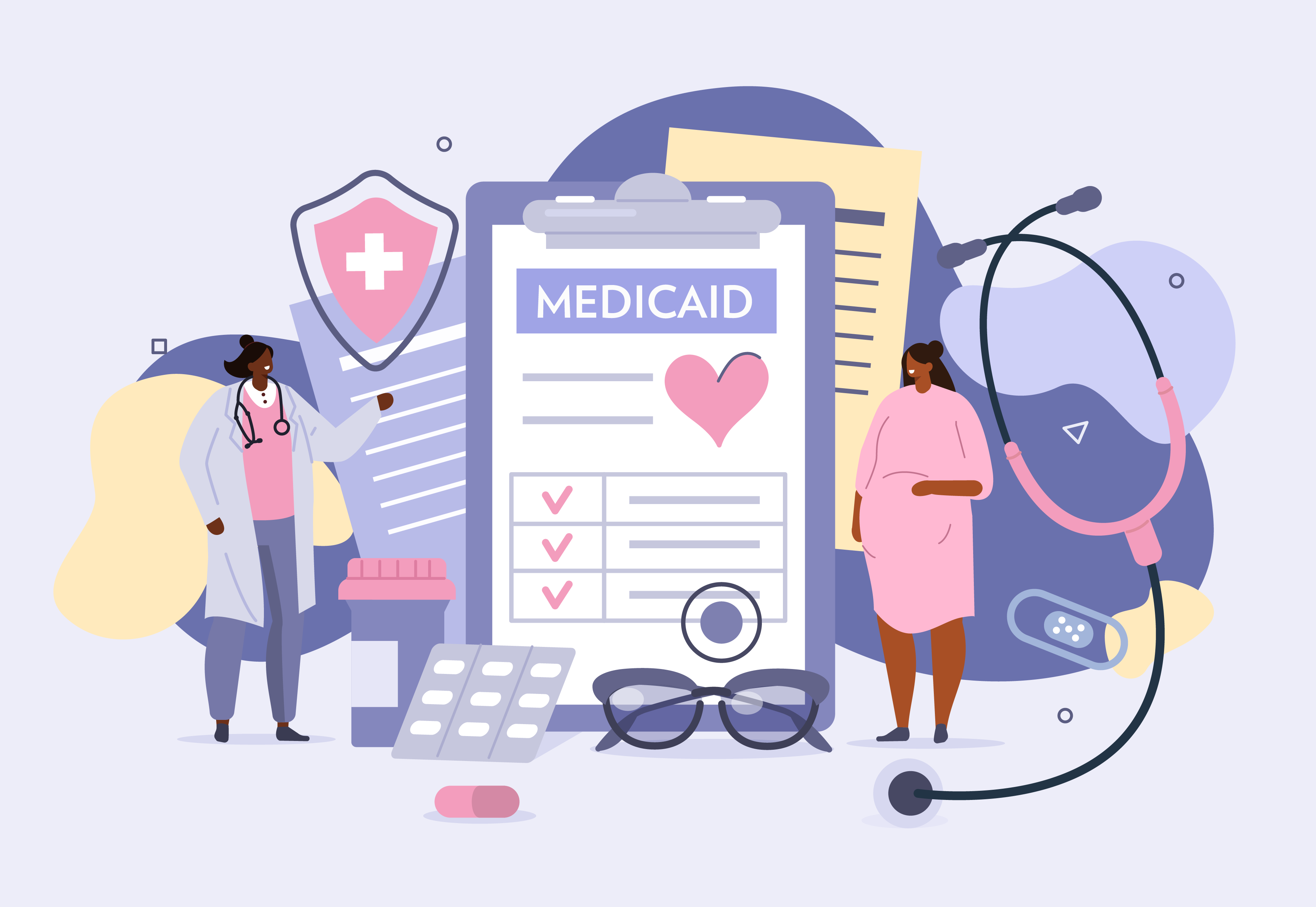
Medicaid is a cornerstone of healthcare access for millions of Americans, including low-income families, seniors, and individuals with disabilities. While enrollment provides access to healthcare services, coverage alone is not enough. True health improvement depends on active Medicaid member engagement, where members are informed, proactive, and involved in their care.
Member engagement is essential because it connects coverage to action—encouraging members to attend preventive visits, manage chronic conditions, adhere to treatments, and use available resources.
1. Promotes Preventive Care and Early Detection
Engagement encourages members to utilize preventive healthcare services, which are key to maintaining health.
- Routine Screenings: Engaged members are more likely to complete screenings for diabetes, hypertension, cancer, and other chronic conditions.
- Early Intervention: Detecting conditions early allows providers to treat issues before they escalate, reducing complications.
- Preventive Health Practices: Members are more likely to adopt healthy behaviors such as vaccinations, exercise, and regular wellness visits.
By promoting preventive care, Medicaid member engagement directly contributes to better health outcomes and reduces avoidable medical costs.
2. Improves Chronic Disease Management
Chronic conditions, including diabetes, asthma, and cardiovascular disease, are common among Medicaid populations. Active engagement ensures members manage these conditions effectively.
- Medication Adherence: Members are reminded to take medications consistently and refill prescriptions on time.
- Lifestyle Guidance: Education about nutrition, exercise, and stress management helps control chronic diseases.
- Follow-Up Care: Engagement ensures that members attend scheduled appointments and receive ongoing support.
Effective chronic disease management leads to fewer hospitalizations, reduced complications, and a higher quality of life for members.
3. Enhances Health Literacy
Health literacy—the ability to understand and act on healthcare information—is crucial for positive health outcomes. Engagement programs improve health literacy by:
- Providing Clear Education: Brochures, videos, webinars, and infographics simplify complex medical information.
- Multilingual Resources: Materials in members’ preferred languages increase understanding and accessibility.
- Empowering Decision-Making: Members gain knowledge to make informed choices about treatments, preventive care, and lifestyle changes.
Higher health literacy translates into better self-care, adherence to treatment plans, and proactive management of health conditions.
4. Encourages Care Coordination
Member engagement strengthens care coordination, ensuring that individuals receive the right care at the right time.
- Guided Support: Care coordinators assist members in navigating Medicaid services and complex care plans.
- Integration with Community Resources: Members are connected with services like transportation, nutrition, or housing assistance.
- Continuous Monitoring: Coordinated care ensures follow-up appointments, adherence to treatment plans, and timely interventions.
Well-coordinated care reduces gaps in services, prevents duplicative care, and leads to better overall health outcomes.
5. Increases Access and Utilization of Services
Engaged members are more likely to use healthcare services appropriately.
- Digital Tools: Member portals, mobile apps, and telehealth services increase access and convenience.
- Reminders and Outreach: Targeted communications notify members of preventive care, screenings, and chronic disease management opportunities.
- Support Services: Assistance with transportation or social support ensures members can access care when needed.
By improving access and utilization, engagement ensures timely interventions and reduces reliance on emergency care.
6. Boosts Member Satisfaction and Trust
Engagement fosters positive relationships between members and Medicaid programs, which is critical for health improvement.
- Personalized Communication: Members feel valued when outreach and services are tailored to their needs.
- Responsive Support: Case managers and coordinators address concerns and provide guidance proactively.
- Trust Building: Engaged members are more likely to follow care plans, attend appointments, and seek preventive care.
Satisfaction and trust reinforce ongoing participation and adherence to healthcare recommendations.
7. Reduces Health Disparities
Medicaid member engagement programs help address health inequities by targeting vulnerable populations.
- Outreach to High-Risk Groups: Programs reach members facing language, cultural, or financial barriers.
- Support for Social Determinants of Health (SDOH): Transportation, nutrition, and housing assistance remove barriers to care.
- Equitable Access: Ensuring all members can participate in care leads to better population health outcomes.
Engagement promotes equity, ensuring that all members, regardless of socioeconomic status, receive the care they need.
Conclusion
Medicaid member engagement is essential for health because it connects coverage to action. Engaged members are more likely to attend preventive visits, manage chronic conditions, understand their healthcare, coordinate with providers, and use services effectively.
The benefits of engagement are clear: improved health outcomes, reduced hospitalizations, better chronic disease management, enhanced health literacy, greater member satisfaction, and reduced disparities. For Medicaid programs, investing in member engagement is not just a strategic initiative—it is a critical pathway to building healthier, more resilient communities.


