


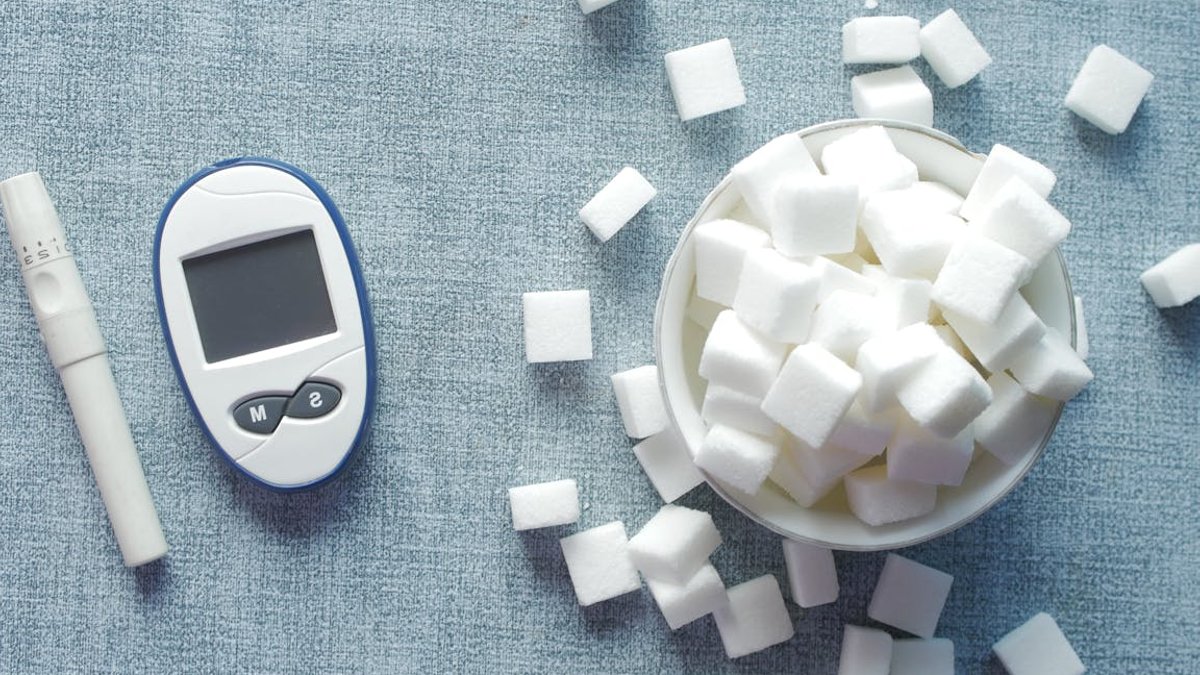
Glycemic response to food varies markedly from one individual to another, even when the same dish is consumed at the same time. This variation stems from the person’s internal physiological condition, such as hormone levels, as well as external factors like ambient temperature, stressors, and recent activity.
The timing of the meal relative to daily rhythms also matters; a breakfast taken after a night of restful sleep can produce a different blood-sugar curve than an identical lunch eaten after a busy afternoon. Because of these interacting influences, two people may see completely different glucose patterns after eating the same plate of food.
The body’s glucose metabolism changes and is affected by many variables, sleep quality being a prominent one. When a night’s rest is short or fragmented, cortisol rises while insulin sensitivity falls, which together lead to a larger rise in blood sugar after a meal.
Research shows that even modest reductions in sleep duration can shift the peak of the post-meal glucose spike upward, making the body handle carbohydrates less efficiently. Consequently, adequate, uninterrupted sleep helps keep the glucose rise after eating within a narrower range.
Stress exerts a comparable effect by activating the adrenal system, boosting cortisol release, and prompting the liver to dump stored glucose into the bloodstream. This cascade also reduces how well cells respond to insulin, so a meal consumed while stressed will generate a higher glucose rise than the same meal eaten in a relaxed state.
Calm conditions, by contrast, allow insulin to work more effectively, resulting in a smoother and lower post-meal glucose curve. Managing emotional tension before meals can therefore be a practical way to moderate blood-sugar spikes.
Read Also: Journaling can bring feelings of shame
Physical activity performed before or after eating changes how quickly muscles absorb glucose, and this uptake occurs largely independent of insulin. Even brief periods of walking, such as a ten-minute stroll, have been shown to blunt the spike that typically follows a carbohydrate-rich meal.
Exposure to light and the body’s circadian rhythm exert a measurable metabolic effect, preparing the system to process nutrients most efficiently during daylight hours. Morning sunlight, for instance, improves glucose tolerance, whereas eating late at night—when melatonin levels are high—tends to worsen it.
Gut microbiota composition plays an important role in regulating glucose, modulating inflammation, and influencing insulin sensitivity. Variations in the types and amounts of gut bacteria can therefore shift how the body reacts to the same foods.
Hormonal fluctuations, such as those women experience during the menstrual cycle, also alter insulin sensitivity and consequently affect the glycemic response to identical meals.
Hydration status and the metabolic effect of the previous meal further shape glucose fluctuations. Dehydration reduces metabolic efficiency and raises stress-related hormones, which together can amplify post-meal spikes.
Conversely, a protein-rich breakfast has been shown to stabilize glucose curves for later meals, providing a smoother overall pattern across the day.


