


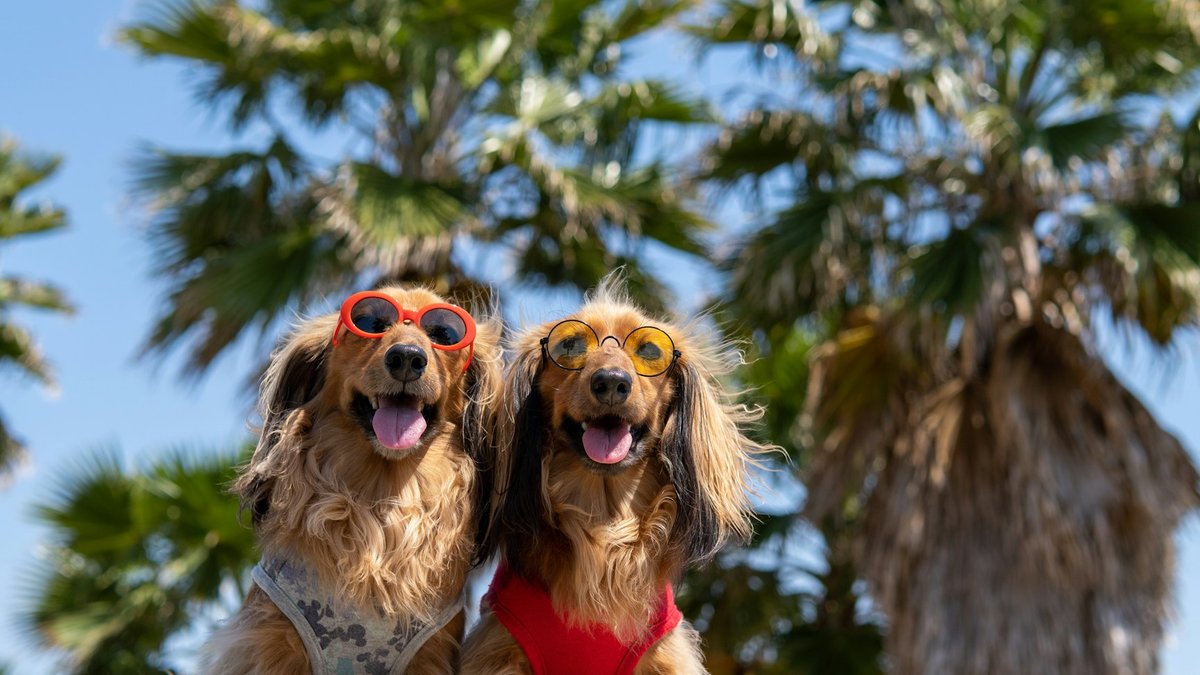
Keeping your pet cool during summer heat means looking beyond a bowl of water and a shady spot.
Understanding Heat Stress in Animals
Veterinarians note that excessive panting, red gums or a rapid heartbeat can signal that an animal’s internal temperature-regulating system is overloaded. When the body’s “inner fire” runs too hot, pets may seek cold surfaces such as tile floors, pace restlessly at night, or develop loose stools from overstimulation.
Conversely, some animals appear chilled even on sweltering days, with pale gums, cold paws and sluggish movement. This pattern often points to a weakened heat energy that fails to sustain normal circulation and digestion.
Both extremes can affect behavior. Overheated dogs might become hyperactive, snap at minor triggers, or display obsessive licking. Animals with low heat energy may withdraw, lose interest in play and show signs of anxiety when faced with routine changes.
Environmental factors such as a hot car, lack of shade, or intense exercise during peak sun hours amplify the problem. Even the owner’s stress can be absorbed, raising the animal’s temperature response.
Read Also: Best Practice Issues Critical Alert Over Heidi II
Practical Ways to Regulate Temperature
Dietary tweaks offer a simple first step. Cooling vegetables like cucumber, zucchini or leafy greens, along with hydrating fruits such as watermelon in modest portions, help lower body heat without extinguishing vitality. Light proteins such as duck, rabbit or white fish provide nourishment without adding excess warmth.
For pets that tend toward low heat energy, small amounts of slightly warm broth or a sunny, draft-free corner can support a gentle rise in internal warmth. Avoid serving ice-cold meals, which can shock the system.
Creating a comfortable environment is equally important. Fans, cross-breezes and shaded outdoor enclosures let animals dissipate excess heat. Cooling mats that stay cool but not frozen, and wet towels placed on paws or belly, give relief while allowing the animal to decide how long to stay.
Exercise should shift to early mornings or late evenings when outdoor temperatures dip. Short, calm walks during these windows prevent overheating while still meeting the animal’s need for movement.
Acupressure points can complement these measures. One spot lies on the inside of the front leg, just above the carpal joint, in a soft depression between tendons. Gentle circular pressure for 30 to 60 seconds often calms an anxious animal.
Another useful location is on the outside of the hind paw, near the base of the smallest toe. Pressing this hollow area can aid stress processing.
Read Also: Iranian doctors face exam cancellation uncertainty
Applying these techniques consistently, especially during the night when the heart-related organs are most active, supports natural healing cycles.
In practice, owners who blend diet, environment and gentle touch find their companions more relaxed as days progress. The combined approach mirrors how traditional wellness systems balance heat and cool, offering a holistic path rather than a quick fix.
One specific point, situated on the outer side of the front leg about two finger widths above the wrist crease and opposite the protective organ point, is known to influence circulation and temperature regulation. Practitioners advise a light, steady massage there for up to a minute, watching for signs of relaxation such as a softened gaze or slower breathing.
Balancing the Fire Element Through Lifestyle
Providing predictable daily routines offers the Heart a stable rhythm, especially during the nightly window when repair work peaks. From 11 p.m. to 3 a.m., the Heart and Heart Protector enter their most active phase, so a quiet, comfortably warm sleeping area supports natural healing.
Targeted Seasonal Practices
Offering paddling pools or shallow water trays lets water-loving dogs self-regulate temperature without the shock of ice-cold immersion. Warm, sun-lit spots with a light blanket give fire-deficient animals a place to raise their core warmth gradually.


