


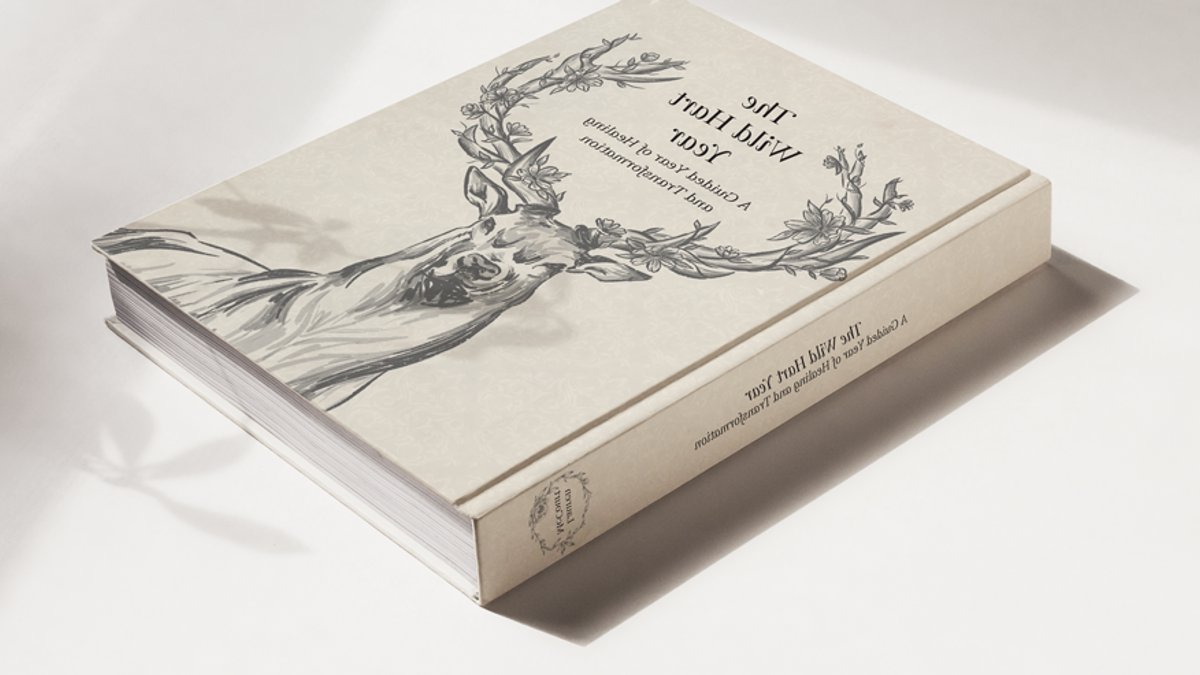
Journaling, a practice often touted as a powerful tool for self-reflection and personal growth, can also be a source of shame for many people. A founder of a company that creates a self-published journal, who interacts with people from diverse backgrounds at a wellbeing exhibition, has observed this phenomenon firsthand.
When people are asked if they journal, they often respond with comments like “I don’t do it as much as I should” or “My handwriting is too messy.” These responses suggest that many individuals hold themselves to an undefined standard of journaling, feeling like they’re failing to meet some unknown expectation.
The Roots of Shame
The problem lies in the fact that journaling has become a catalyst for shame, rather than a supportive tool for emotional processing. People tend to turn the problem inward, treating journaling like a test they’re failing, rather than acknowledging its inherent challenges.
Journaling requires individuals to sit with a blank page and their own inner world, being honest and vulnerable. This can be daunting, especially for those who fear that someone might read their journal and judge them.
Read Also: Busy Work Schedules Undermine Healthy Eating Habits
Reclaiming Journaling
However, once these fears are acknowledged, they can be softened. By recognizing that journaling is a personal and individual practice, people can begin to reclaim it as a gentle and supportive tool.
Common fears surrounding journaling, such as not doing it enough or having messy handwriting, can be dispelled by redefining what “enough” means and accepting that it is okay to make mistakes. Experimenting with different journaling styles, such as guided prompts or collage journaling, can also help individuals find what works best for them.
A founder who had never journaled before found that the practice helped them work through their own fear and shame, eventually leading them to release their own journal.
Adopting Journaling as Self-Care
Journaling is one of the most accessible forms of self-care, supporting emotional regulation, clarity, resilience, and healing. By releasing the shame attached to the practice, people can tap into its benefits and use it as a powerful tool for understanding themselves and the emotions they experience.


