


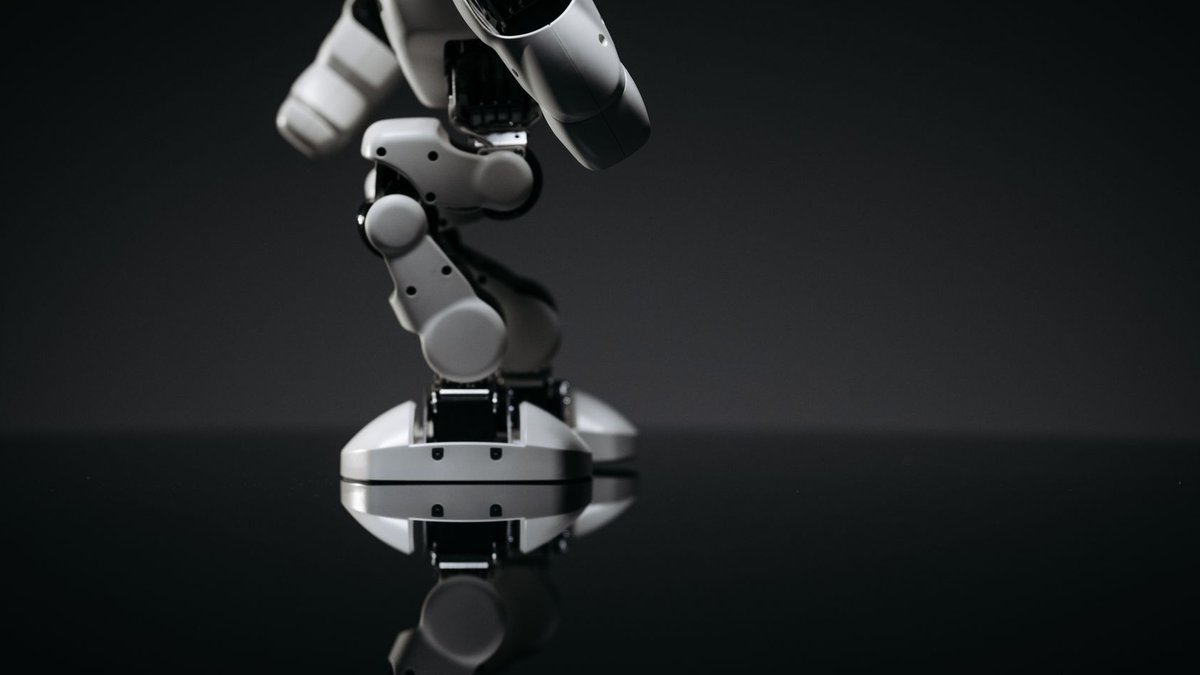
Neurological rehabilitation is being reshaped by robotic systems that provide high-intensity gait training far beyond what traditional therapy can deliver. For decades, physical therapists have depended on manual methods to help patients regain mobility after strokes or spinal cord injuries. However, these approaches face a core limitation: human endurance. Therapists can only perform so many repetitions before fatigue sets in, leaving patients short of the thousands of precise steps required to stimulate neuroplasticity in the brain.
The issue extends beyond physical strain. Standard therapy often lacks the precise data needed to track progress with surgical accuracy. Clinicians assess movement visually, relying on subjective evaluations that differ between practitioners. Robotic gait training addresses both challenges simultaneously. Automated systems—from motorized exoskeletons to treadmill-based devices—enable patients to complete thousands of controlled steps in one session while sensors record every movement detail. This represents more than just increased therapy volume; it is therapy optimized specifically for neurological recovery.
The underlying science is well established: neuroplasticity requires repetition. The brain reorganizes by strengthening neural pathways through consistent, task-specific practice. Stroke survivors or individuals with spinal cord injuries may need hundreds of steps per session to trigger meaningful change. Manual therapy often struggles to deliver this volume, particularly for patients with severe impairments who demand constant physical support. Robotic systems remove this bottleneck by delivering the exact movement dosage needed—adjustable in real time—to push the nervous system toward recovery without overburdening therapists.
How robots extend therapy sessions without therapist burnout
One immediate benefit is improved session duration and quality. In manual therapy, a patient with significant mobility loss might require two or three therapists just to maintain stability during gait exercises. The physical strain on staff is considerable, restricting session length and limiting patient throughput. Robotic devices eliminate these constraints. A single therapist can supervise multiple patients using automated systems, freeing time for more complex clinical tasks. The outcome is longer, more frequent sessions with higher repetition counts, while also reducing therapist fatigue.
The precision of these systems goes beyond sheer volume. Clinicians can program specific adjustments to target weaknesses in a patient’s gait cycle. For instance, if a patient has difficulty with foot clearance during the swing phase, the robot can provide temporary assistance at that precise moment, then gradually reduce support as the patient improves. This level of customization ensures each repetition reinforces correct motor patterns rather than allowing compensatory movements to develop. For patients unable to initiate movement independently, the robot acts as a bridge, delivering the sensory input and motor guidance necessary to activate neuroplasticity.
Beyond clinical advantages, the data generated by these systems is transforming how rehabilitation is measured and managed. Every patient step is recorded, creating a detailed digital record of progress. Clinicians can identify subtle improvements that might go unnoticed in manual sessions, then adjust therapy accordingly. This shift toward evidence-based care aligns with broader healthcare trends where outcomes matter more than treatment hours. For rehabilitation centers, demonstrating measurable progress through automated metrics is becoming essential for securing funding and patient referrals.
Cost savings and efficiency drive adoption of robotic tools
The economic argument for robotic gait training is growing stronger. While initial costs are high, long-term savings in labor and improved patient outcomes create clear financial benefits. Facilities with advanced robotic tools can treat more patients efficiently, reducing the need for multiple therapists per session. Staff injuries, common in manual therapy due to repetitive lifting, decline, stabilizing the workforce. For patients, access to high-intensity, personalized rehabilitation is increasingly seen as a deciding factor in treatment choices.
The next hurdle is expanding these interventions beyond hospital settings. Large robotic systems work effectively in acute care, but smaller, portable devices are now under development for outpatient clinics and home use. The aim is to ensure patients in rural areas or with limited access to specialized centers can still benefit from high-intensity gait training. This push toward accessibility is vital, as mobility impairments affect millions worldwide, and recovery depends on consistent, high-quality therapy regardless of location.
A key advancement in robotic gait training involves adaptive control algorithms that adjust assistance in real time based on a patient’s performance. These systems use embedded sensors to detect movement irregularities, such as uneven step length, altered joint angles, or asymmetrical weight distribution, and immediately modify resistance or support to correct them. For example, if a patient’s knee collapses during the stance phase, the robot can provide targeted assistance at that joint while maintaining full support elsewhere.
This dynamic adjustment ensures every step reinforces correct motor patterns rather than allowing compensatory behaviors to persist. Clinicians can also set intervention thresholds, gradually reducing assistance as the patient’s strength improves. The result is a training environment where challenge levels adapt continuously, keeping the patient engaged at their capacity limits without injury risk.
Adaptive systems tailor training to each patient’s unique recovery needs
This adaptability is especially valuable for individuals with incomplete spinal cord injuries, where motor recovery varies widely. Some patients may regain partial function in one limb but not another, requiring the robot to compensate for asymmetrical deficits. The system can be programmed to prioritize weaker muscles during the swing phase while allowing stronger limbs to contribute more to propulsion. Over time, this targeted loading helps rebalance muscle activation, a critical factor in preventing secondary issues like muscle atrophy or joint stiffness. Studies of these adaptive protocols show patients achieve greater gait symmetry within shorter treatment periods compared to traditional therapy, where such precise adjustments are impractical.
The next major development in robotic gait training involves miniaturized and wearable devices designed for use outside clinical settings. While large exoskeletons remain essential for inpatient care, companies are now creating lighter, battery-powered systems for daily activities. These include exoskeletal braces that assist with walking at home or in community environments, as well as smart orthotics embedded with sensors to monitor foot placement and joint angles in real time. Some devices are being integrated into standard walkers or canes, transforming them into semi-automated gait aids that provide subtle corrections during overground walking. The objective is to extend the high-intensity, data-driven approach of clinical robotic training into patients’ natural environments, where recovery often stagnates due to insufficient practice.
Portability also addresses a critical need in rural and underserved communities, where access to specialized rehabilitation centers is limited. Pilot programs in areas with sparse healthcare infrastructure have deployed modular robotic treadmills that can be transported between clinics or set up temporarily in disaster zones. These systems often include telemonitoring features, allowing remote clinicians to adjust training parameters and review progress data without requiring patient travel.
For homebound patients with severe mobility impairments, home-based robotic gait trainers, some no larger than a treadmill, are being tested, with early results indicating they can maintain or even improve gait function when used consistently. The remaining challenge is ensuring these devices remain affordable and easy to use, but advancements in off-the-shelf electronics and 3D printing are rapidly lowering costs.


