


E-scooter injuries in Australia have reached a crisis point, with hospitalisations tripling over five years and teenage boys facing the highest risk of serious harm. New figures from the Australian Institute of Health and Welfare show fractures, intensive care admissions, and deaths linked to e-scooter falls have surged, particularly in Queensland and Western Australia. The most severe cases now occur at a far greater rate than a decade ago.
In 2024-25, fractures accounted for 58% of all e-scooter injuries. Dislocations and internal organ injuries also rose sharply, with the latter now four times more common than in 2015-16. ICU admissions from e-scooter falls more than quadrupled—from 16 cases in 2015-16 to 73 in 2024-25—while in-hospital deaths nearly tripled, climbing from 7 to 20 over the same period.
Males accounted for 69% of hospitalisations, but teenage boys aged 12 to 15 had the highest rate at 54 per 100,000, a 15-fold increase since 2019-20. They were also four times more likely than girls to be hospitalised after a fall. Across all ages, e-scooter-related hospitalisations now account for 61% of personal transport injuries, surpassing other modes of transport.
Queensland and Western Australia lead the nation in e-scooter hospitalisation rates, despite recent legal changes. Queensland’s new laws, effective August 31, 2026, now require users to be at least 16 and hold a learner’s licence to ride unsupervised. However, children aged 12 to 17 can still ride under parental supervision, the only state besides the Australian Capital Territory to allow this.
Doctors Demand Stricter Age Limits
“Doctors believe the only safe position to take is to restrict kids to kid-powered devices only and leave the electric ones for when they’ve built more awareness around road rules,” said Associate Professor Erica Gannon, AMA Queensland president. The association has pushed for a total ban on e-scooter use for under-16s, a stance they reiterated during a parliamentary inquiry.
“Adolescents don’t understand the road rules, they don’t have the necessary coordination, and they’re more prone to serious injury,” she said. The AMA has scheduled a meeting with Queensland’s transport minister next August to press for stricter enforcement and potential further restrictions.
Read Also: Irregular sleep linked to severe depression
In 2024-25, 47% of e-scooter injuries occurred on streets and highways, more than double the share in 2015-16. Most incidents happened on weekends and during summer months, with Fridays emerging as particularly dangerous. Pedestrians are also at risk, with 164 hospitalised after collisions with e-scooters last year.
Hospitalisations for superficial injuries declined as more severe injuries took their place.
E-Bikes Follow Same Dangerous Trajectory
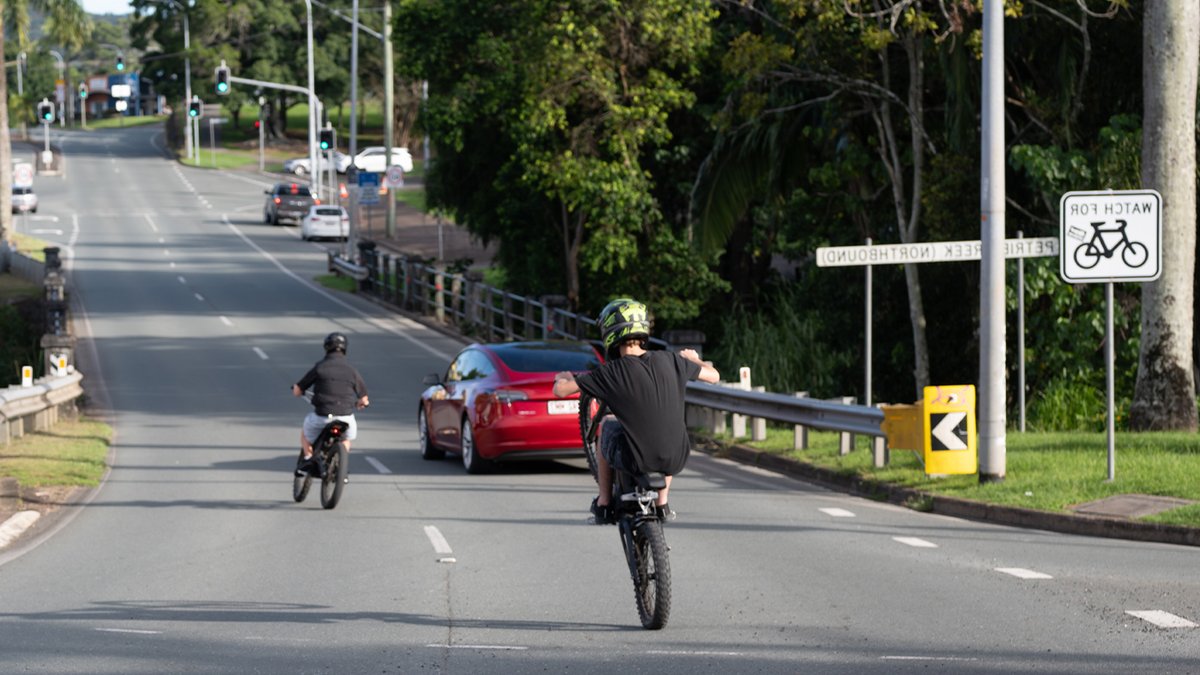
The rise in e-bike injuries follows the same pattern seen with e-scooters, though data is less precise due to coding challenges. Hospitalisation rates for 12- to 15-year-old boys increased more than fourteenfold between 2019-20 and 2024-25, while men aged 16 to 24 saw hospitalisations climb over fourfold in the same period. Unlike e-scooters, most states lack minimum age restrictions for e-bikes, with Western Australia as the sole exception, requiring users to be at least 16. This inconsistency contributes to broader safety concerns, as younger riders face higher risks without legal safeguards.
Severe injuries from e-bike incidents remain difficult to quantify, but trends suggest a growing threat. While fractures rose slightly from 53% in 2015-16 to 57% in 2024-25, hospitalisations requiring ICU care surged nearly 300%, and those needing ventilatory support increased by almost 400%. In-hospital deaths from e-bike falls totaled six in 2024-25, though the true number may be higher given coding limitations. Most e-bike hospitalisations occurred on streets and highways, though activity details were missing in 80% of recorded cases. Of the documented incidents, leisure activities, particularly sports, were the most common context for injuries.
Queensland health minister Tim Nichols said on Tuesday that seven children were hospitalised for more than 24 hours following serious e-scooter or e-bike accidents between July and September, 18 fewer than in January to March. While the AMA Queensland president, Associate Professor Erica Gannon, said the association was pleased to see admissions decline in the months following the legislation in an announcement on Wednesday, preventable e-mobility device deaths were “absolutely heartbreaking”.


