


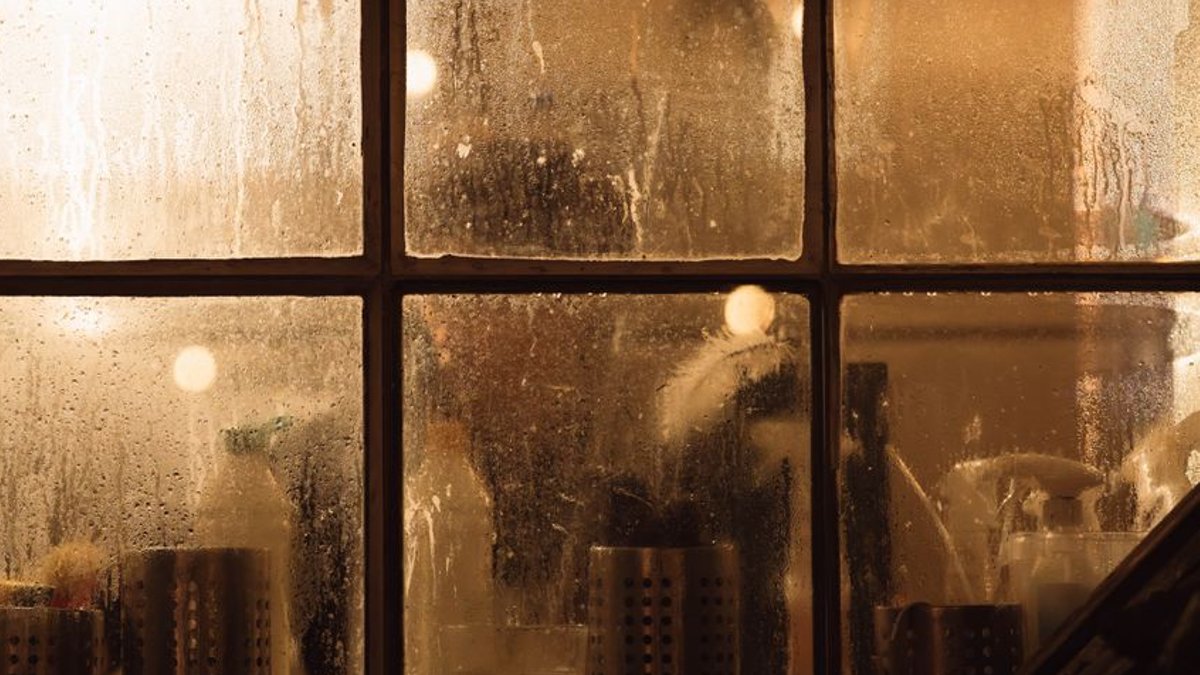
A damp home rarely makes its presence known with fanfare. Instead, it begins subtly—a single bead of condensation on a bedroom window, followed by musty odours, damp laundry, and the quiet irritation of towels that never seem to dry. In New Zealand’s Waikato region and much of the country, the combination of cool evenings, winter rainfall, and homes that are well-insulated but not always properly ventilated creates a year-round moisture challenge.
Residents often wonder which solution will work best: cracking a window, installing a heat pump, purchasing a dehumidifier, or trying something else entirely. The most frequent cause of what is often called “mystery damp” in New Zealand homes is simpler—and more preventable—than many assume. Drying laundry indoors without adequate ventilation is a leading factor.
A single load releases litres of water vapour into the air, effectively transforming a living space into a slow-release steam room. Without proper airflow, that moisture condenses on cold surfaces such as windows, uninsulated walls, and wardrobes. The result is morning dampness, mould growth, and the persistent frustration of items that never fully dry.
A straightforward way to diagnose the issue: if windows frequently show moisture in the mornings during winter and laundry is dried indoors even a few times a week, indoor drying is likely the primary cause. The solution often begins with adjusting habits rather than making expensive changes. However, before altering behaviour, it is important to rule out other potential sources. Condensation, leaks, and rising damp can mimic one another, but a few key observations can help distinguish between them.
Read Also: Newsrooms Adopt “Slow News” to Boost Trust, Reduce Burnout
Condensation typically appears as water droplets on windows or walls, especially in the morning. Mould often follows, appearing in corners, behind furniture, or on curtains. The problem intensifies when more people are present—cooking, showering, or even breathing adds moisture to the air. Leaks, in contrast, usually show up as localised stains that worsen after rainfall, damp patches near gutters or downpipes, or bubbling paint.
Rising damp, more common in older homes, leaves dampness near the bottom of walls, along with visible “tide marks” or peeling skirting boards. A simple test can help identify the source. Take weekly photographs of damp patches and compare them to weather conditions. If dampness increases after rain, a leak is likely. If it worsens after showers or laundry, condensation is the issue.
Rising damp generally requires professional evaluation, but the other two problems often have do-it-yourself solutions. Before considering equipment purchases, three simple steps can make a noticeable difference. First, vent steam at its source. Run the bathroom extractor fan during showers and for 15–20 minutes afterward. Use the rangehood, preferably ducted to the outside, when cooking. These adjustments can reduce indoor moisture by up to a third.
Second, create short cross-breezes by opening two windows on opposite sides of the house for 10 minutes, once or twice daily. This exchanges damp indoor air for drier outdoor air far more effectively than leaving a single window slightly open all day. Third, adjust furniture placement. Move couches, headboards, and wardrobes at least 5–10 centimetres away from external walls to improve airflow behind them, reducing the risk of mould in hidden areas.
A colder house after airing is normal, but the goal is efficiency, not comfort. The aim is to replace damp air quickly and then properly heat the space. Condensation forms when moist air meets cold surfaces, so the focus must be on managing both humidity and temperature. A common misconception is that opening windows makes a house colder and thus wetter.
Read Also: Group finds Trump drug deals favor drugmakers over patients
While this can happen if done incorrectly, such as leaving windows open for extended periods on cold, humid days, short bursts of ventilation, timed after showers or cooking, usually help. Indoor air often contains more moisture than outdoor air, especially in winter. The key is to ventilate for minutes rather than hours, then heat the space to keep surfaces warm.
This approach is most effective in homes where condensation is the primary issue. However, if the problem is more severe, such as a leak or rising damp, quick fixes will not provide lasting relief. That is when more significant decisions must be made: investing in a heat pump, a dehumidifier, or another solution. A dehumidifier removes moisture directly from the air, making it the fastest solution for visible condensation and mould.
Units vary in capacity, measured in litres per day, and the right size depends on room dimensions and how damp the space is. A small unit may work for a bedroom if used daily, but larger areas, particularly open-plan living spaces, often require higher extraction rates. Without one, the unit may operate inefficiently, cycling on and off without reaching the optimal range.
Heat pumps, by contrast, do not remove moisture; they reduce condensation by warming surfaces and the air. Some models include a “dry mode,” but this is rarely as effective as a dedicated dehumidifier for severe dampness. Their real advantage comes in colder homes, where warmer surfaces prevent moisture from settling.
Read Also: Three biotech firms eye Nasdaq listings
A heat pump will not address leaks or rising damp, but it can help if condensation is the main issue by keeping walls and windows above the dew point. Running both a heat pump and a dehumidifier in the same space can be costly and unnecessary unless the problem is particularly severe. Some sources of moisture go unnoticed until dampness becomes persistent. Unflued gas heaters release water vapour while burning fuel, adding to indoor humidity without obvious signs.
Fish tanks, especially those without covers, contribute daily through evaporation, while bathrooms lacking proper ventilation can trap moisture for hours after a shower. Even stored firewood left indoors releases dampness into living spaces over time, worsening the problem. Subfloor vents are another frequently overlooked factor. In homes with raised foundations, blocked vents, from leaves, soil buildup, or stored items, can trap moisture beneath the house, which then seeps upward.
Checking and clearing these vents can improve airflow and reduce dampness in living areas. Similarly, a weak or absent extractor fan in a bathroom or kitchen allows steam to linger, while a blocked rangehood duct forces humid air back into the home instead of venting it outside. These small but critical details often explain why quick fixes like airing windows fail to fully resolve the issue.
Common Causes of “Mystery Damp” and When to Consider Mechanical Solutions
The most overlooked but frequent cause of unexplained dampness in New Zealand homes is indoor laundry drying. A single load releases large amounts of moisture into the air, raising humidity levels without proper ventilation. This leads to condensation on windows, walls, and furniture, often mistaken for other issues like leaks or rising damp. The problem worsens in winter when cooler temperatures reduce air’s ability to hold moisture, forcing it to settle on cold surfaces.


