


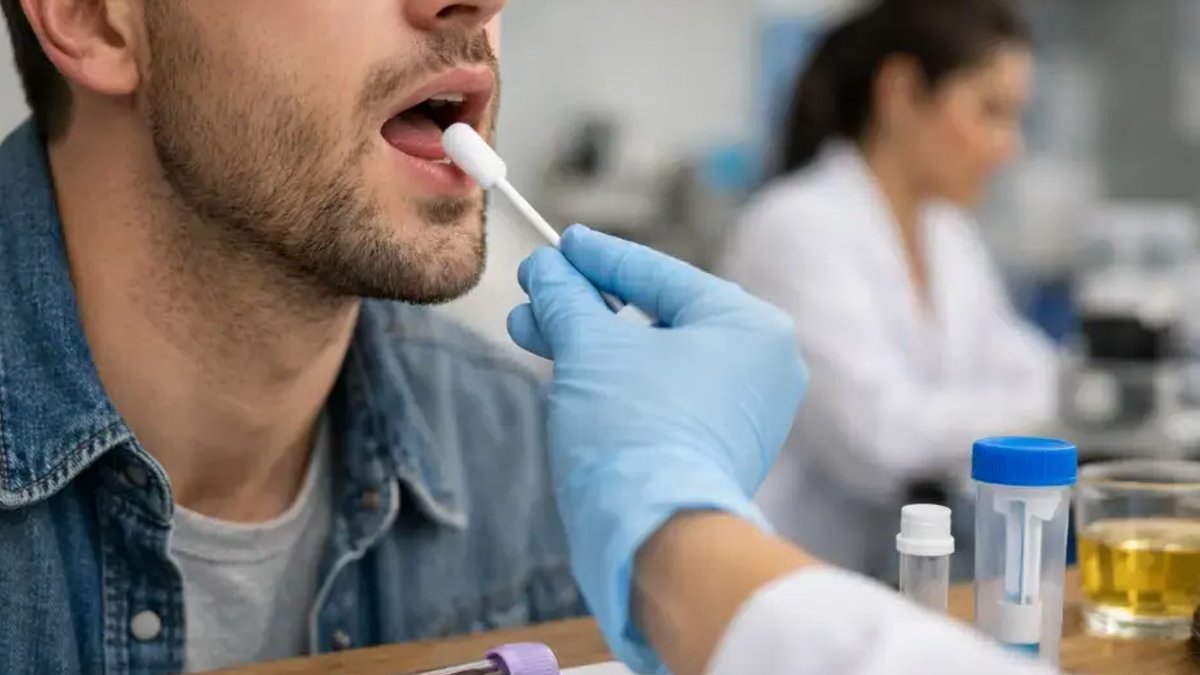
Saliva drug testing, also known as oral fluid testing, is becoming a common method for detecting recent drug exposure. Unlike urine, blood, or hair tests, saliva tests offer a quick and straightforward collection process, making them attractive to employers and healthcare providers.
However, misconceptions exist about what these tests detect and their reliability. Understanding the science behind oral fluid testing is essential for accurate interpretation of results.
What Saliva Drug Tests Measure
A saliva drug test doesn’t determine if someone has ever used a particular drug. Instead, it identifies specific drugs or their metabolites present in oral fluid at detectable concentrations. Collection involves a swab or device placed inside the mouth, often along the cheek or beneath the tongue.
This two-step process ensures accuracy, as screening alone may not provide conclusive evidence.
Detection Windows and Variability
Saliva tests generally have a shorter detection window than hair or urine tests, but this varies by substance, individual factors, and testing method. Oral fluid reflects recent exposure, making it useful for detecting recent drug use rather than long-term history.
Claims like “everything disappears from saliva within 24 hours” are unreliable. Collection conditions, individual biology, and laboratory procedures significantly impact detection.
Historically, drug testing methods have evolved to address limitations of earlier techniques. Urine testing, a long-standing standard, has privacy concerns and a longer detection window, leading to saliva testing’s adoption for convenience in specific scenarios.
Sensitivity and specificity are key, ensuring the test identifies the target substance while minimizing false positives.
Errors in collection or procedure can compromise results. Professional testing programs use standardized procedures to mitigate these risks. Distinguishing between a preliminary screen and a confirmed finding is vital for interpretation.
Common misconceptions include believing that drinking water or using mouthwash can eliminate drugs from saliva. These methods lack scientific proof of reliability. Saliva testing isn’t inherently less accurate than urine testing; each serves different purposes based on detection window and objectives.
Detox mouthwashes often make unsubstantiated claims. Attempting to manipulate samples may violate workplace or legal rules. Confirmation testing adds certainty, differentiating genuine findings from potential interference.
Interpreting results requires considering context, including timing, medications, and methodology. Formal testing may follow specific regulations, necessitating consultation of applicable policies over generalized online information.
For unexpected results, determining the test type and availability of confirmation is key. Legitimate medications and substances can complicate results, highlighting the need for defined procedures and disclosure.
Misconceptions and Regulations in Saliva Drug Testing
Common beliefs about altering saliva drug test results are often misleading. Drinking excessive water, brushing teeth, or using mouthwash does not reliably remove drugs from oral fluid. Similarly, eating certain foods or rinsing the mouth repeatedly are not proven methods to change test outcomes.
Products marketed as detox mouthwashes for saliva tests often lack scientific evidence to support their claims. Relying on such products to manipulate test results may violate workplace, legal, or athletic regulations. Attempting to alter samples can also conflict with treatment program requirements.
Formal testing procedures are governed by specific rules, which may include collection requirements, laboratory standards, and processes for reviewing disputed results. Individuals facing consequential tests should consult applicable policies or regulatory frameworks rather than depending on general online information.
The Role of Confirmation Testing
Confirmation testing is key for ensuring saliva drug test accuracy. It provides an additional layer of certainty when a screening test is non-negative.
Using selective techniques, it identifies specific compounds, distinguishing genuine findings from screening interference. This reduces the risk of treating preliminary results as conclusive without further analysis.
Interpreting Results and Policy Considerations
Consulting applicable policies is essential, as online information may not reflect specific test rules.
In workplace or legal settings, understanding the test type and confirmation availability is key. Rapid screening and laboratory confirmation differ, and organizations should clarify these distinctions.


