


Most people think stress comes from big life events, but in reality, daily strain is often triggered by tiny, repeatable friction points, such as missing chargers, last-minute rushes, or forgotten passwords. This is where “calm infrastructure” comes in – a simple way to describe practical systems that reduce avoidable stress spikes before they start.
These systems can be physical, digital, or social, and are designed to lower cognitive load, smooth household logistics, and free attention for what actually matters. It is not about buying more storage bins or turning a home into a minimalist showroom, but about making small, specific changes that can have a significant impact.
Set Up a Two-Minute Launch Pad
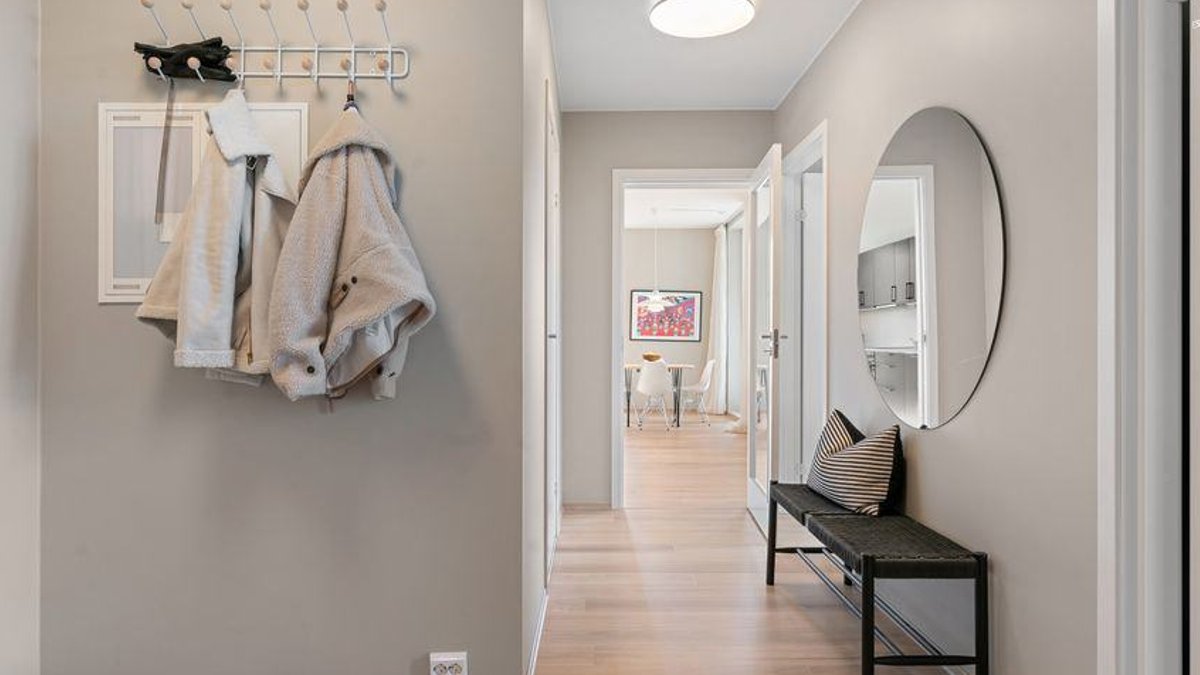
One way to start building a calm infrastructure is to create a two-minute “launch pad” for leaving the house. This is a dedicated spot near the exit where essentials like keys, wallets, and transport cards are kept. By having a launch pad, decision fatigue and searching are reduced, making it easier to leave the house on time.
A launch pad can be as simple as a bowl or tray with two hooks for keys and bags, and a small shelf for other essentials. Adding a short note with a “Leaving checklist” can also help ensure that nothing is forgotten. For shared spaces, giving each person a labeled hook can reduce blame and confusion.
Read Also: Newsrooms launch Signal Desk to curb health misinformation
Streamline Charging with One Central Station
Another strategy is to standardize one charging setup and stop the nightly scavenger hunt for cables. This can be achieved by having one consistent charging station with spare cables in strategic places, such as the bedroom and main living area. Choosing one cable type per device and labeling cables can also help reduce clutter and make it easier to find what you need.
Installing a “one-touch” meal plan can also help reduce weekday decision-making and stress. This involves picking five repeatable meal categories and writing two options under each category. Keeping ingredients for at least two “panic meals” on hand can also help reduce stress during late-afternoon transitions.
Using “friction labels” for frequently misplaced items can also help remove negotiation and clutter. A friction label is a short, specific label that prevents clutter creep, such as “Batteries + bulbs only” or “School forms to sign”. By renaming labels to match what you actually put there, you can constrain clutter and make it easier to find what you need.
Dedicate a Weekly Home Admin Hour
Creating a 15-minute weekly “home admin hour” with a micro-agenda can also help reduce stress. This involves setting aside a recurring slot for bills, appointments, school notices, bookings, renewals, and “life paperwork”. By focusing on one “nagging task” at a time, you can reduce the constant background worry of forgetting important tasks.
Build Sound Boundaries for Better Sleep
Building a “sound boundary” for sleep and recovery is also important. This can involve using door draft stoppers, soft-close pads for cupboards, and white noise or fan sound at night to mask intermittent noise. Agreeing on “quiet lanes” and setting simple household “quiet rules” can also help reduce evening conflicts and improve sleep quality.
Read Also: Governments Weigh Digital Identity Options for Patient Trust
It is also important to make “default tidy” possible with tiny bins in the right places. This can involve placing small rubbish bins where packaging is opened, using a “misplaced items” basket in a central spot, and having a dedicated “incoming” tray for mail and parcels. By focusing on clearing benches and the entry area, you can create a calmer morning routine and reduce stress.
Using “two-step backups” for keys, passwords, and essential documents can also help turn a crisis into an inconvenience. This involves keeping a spare set of keys in a safe location, using a reputable password manager, and storing recovery codes securely. By scanning and storing copies of important documents in a secure cloud folder, you can reduce the risk of losing critical information.
Setting up a “social script” for difficult household moments can also help prevent escalation and improve communication. This involves using short, rehearsed phrases to prevent conflict and improve repair, such as “I’m getting overwhelmed—can we pause for five minutes and come back?” or “We’re on the same team. What do you need from me right now?”
Reducing news-and-notification overload with a “windowed intake” rule can also help lower anxiety without disconnecting you from the world. This involves choosing one or two daily windows for news and social media, such as lunchtime and early evening, and avoiding constant checking throughout the day.


