


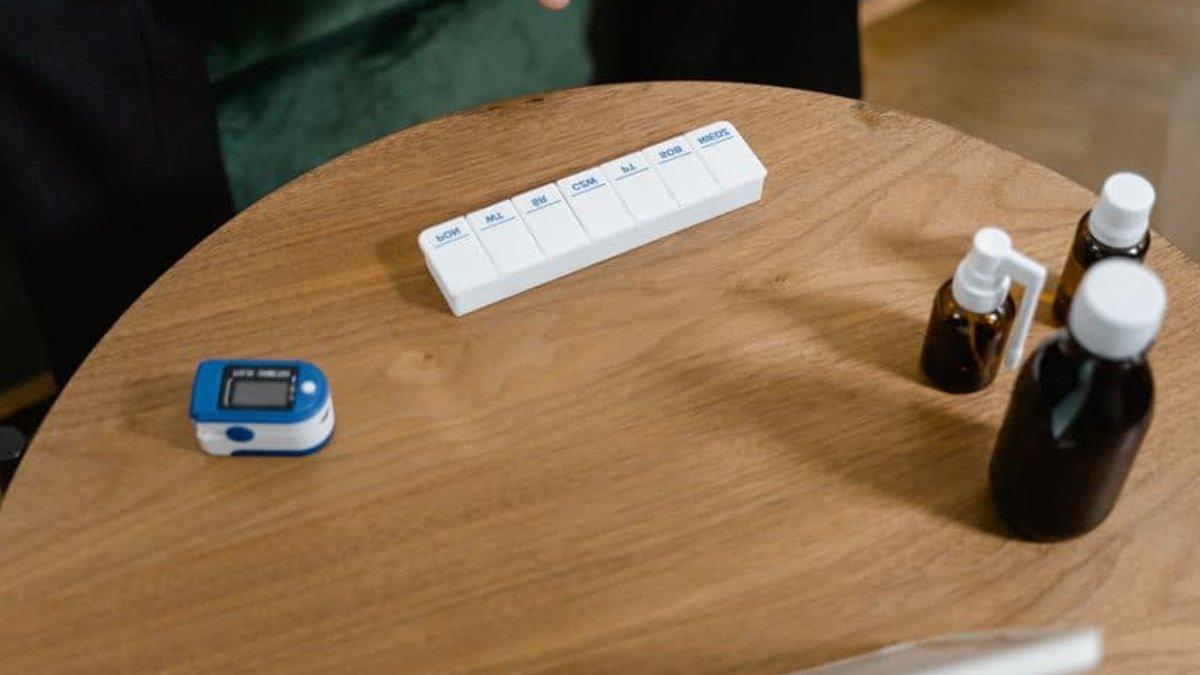
A structured “Medicines Brown Bag” audit involves collecting all medications—prescription, over-the-counter, supplements, and herbal products—and comparing them against your current treatment plan. Healthcare providers increasingly advocate for this method in primary care and pharmacies due to its efficiency and ability to deliver actionable insights quickly.
International evidence shows that polypharmacy and medication errors are common drivers of avoidable harm. The goal of a “Medicines Brown Bag” audit is not to stop medicines abruptly, but to ensure every item has a clear purpose, the dose is right, and your care team has an accurate, up-to-date list.
Conducting a “Medicines Brown Bag” Audit at Home
To conduct a “Medicines Brown Bag” audit at home, start by picking a time when you are not rushed, usually 30 to 60 minutes. Your goal is to produce two things: a single, accurate medicines list, including non-prescription items, and a shortlist of questions for your pharmacist, GP, or nurse.
Gather absolutely everything you take, including prescription medicines, over-the-counter pain relief, vitamins, minerals, sports supplements, and herbal remedies. Get one bag or box and collect all these items, including old packets that can often cause accidental double dosing.
Read Also: New Zealand expands social prescribing with nine pathways
Create a master list in plain language, writing each item with its name, strength, directions, reason, start date, and whether it is short-term or ongoing. If you do not know why you are taking something, write “unknown” – this is a high-priority question for your next review.
Check for duplicates and “same drug, different name” issues, looking for medicines that treat the same condition or have the same active ingredient under different brand names. For example, taking two NSAIDs at once can increase stomach, kidney, and blood pressure risk.
Identifying High-Risk Medicines and Potential Interactions
Some medicines are more likely to cause harm if taken incorrectly. Flag these on your list, such as blood thinners, insulin and diabetes medicines, opioid pain medicines, and strong heart medicines. Use a “high-risk medicines” lens to ask extra questions about monitoring, timing, and missed doses.
Map your real-day schedule and identify “collision points,” drawing a simple day timeline and placing each medicine where you actually take it. Look for too many doses at one time, food-sensitive medicines being taken inconsistently with meals, and spacing problems.
Read Also: Public Health Teams Adopt Data Diaries for Decisions
A real-world example is taking levothyroxine, iron, and calcium – timing can matter, and a practical schedule might separate thyroid medicine from mineral supplements by several hours. Confirm specifics with your pharmacist to ensure you are taking your medicines safely and effectively.
Do a side-effect and symptom “pattern check,” noting new symptoms, when they happen, and any missed doses. This is not about blaming the medicine, but about spotting patterns your clinician can use to fine-tune treatment. Medicines are a common reason for potentially preventable harm in the community, especially when multiple medicines, alcohol, dehydration, or acute illness are involved.
Check expiry dates, storage conditions, and device technique, removing expired items and setting them aside for safe return to a pharmacy. Heat, moisture, and sunlight can degrade some medicines, and bathrooms are often too humid. If you use an inhaler, ask your nurse or pharmacist to watch you take 1-2 puffs to improve symptom control without changing the prescription.
Run an interaction and safety “sense check” using reputable resources, such as the Mayo Clinic’s patient education resources. Do not rely on social media lists or anonymous forums, and use reputable, clinician-backed information when you have questions about side effects, interactions, and safe use.


